This is the first of several posts I’m going to make on cold plunging or deliberate cold exposure.
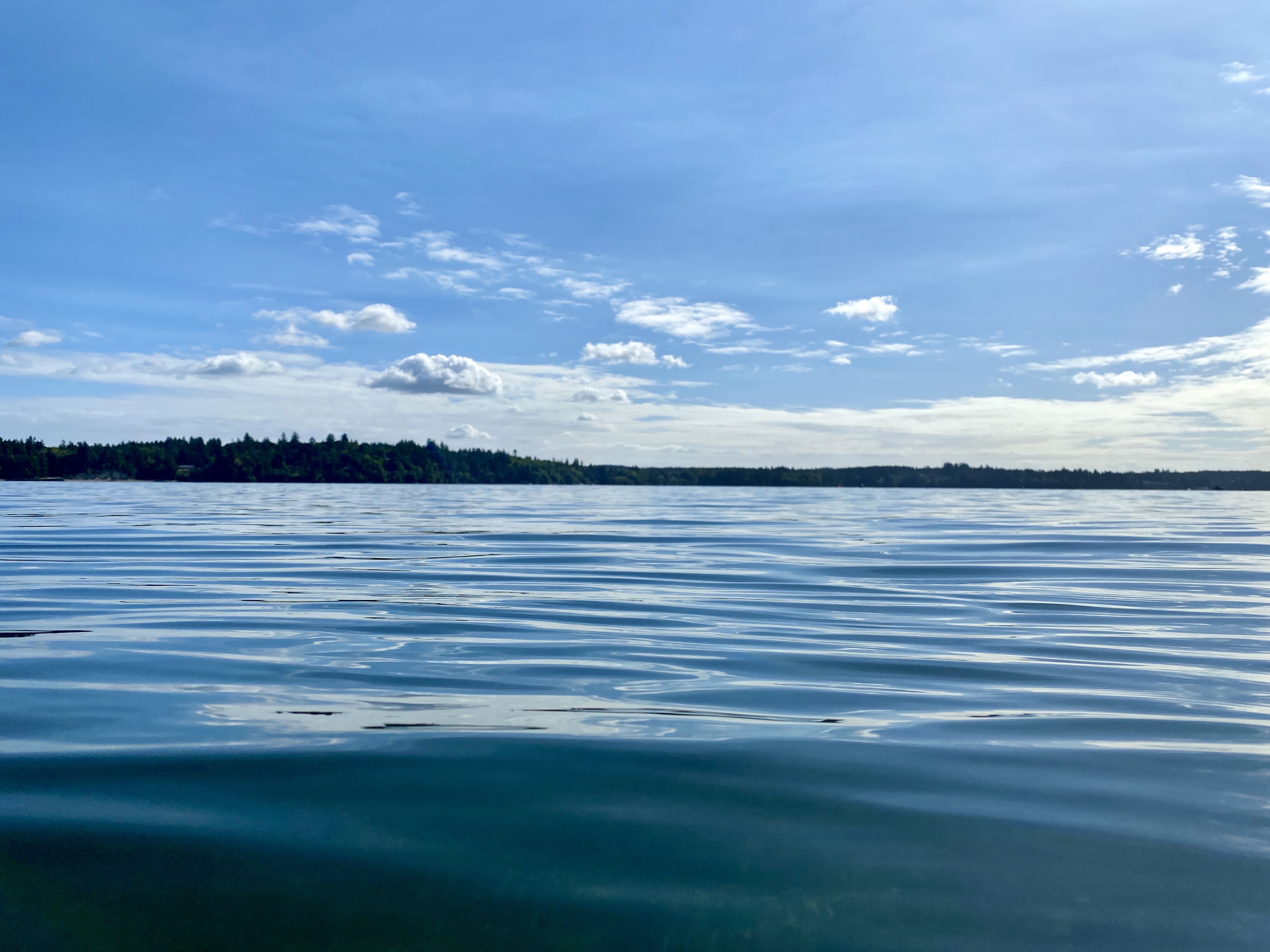
I began my cold plunge journey back in February of this year (2023). I regrettably decided to start in the Winter, enduring the Puget Sound’s coldest water temperatures in the 30s and 40s° F. I would spend 5 minutes from my waist down to target my cranky lower back, hips, and knees. I would usually do this with my neighbor Bill, who was already well-versed in cold plunging. In the Spring, I graduated to immersion up to my neck and longer duration. In the Summer months, I would spend a total of 10 minutes in the “warmer” water (in the 50s° F).
As my journey progressed, I would need to navigate the tides and whatever was floating by on any given day – seaweed, boogers, logs, unopened bags of chips (seriously), etc. Sometimes, the water would be crystal clear, and other times, it was downright murky. In addition, due to the tide schedule, I wouldn’t be able to plunge for several days at a time until the tide was back within my preferred time period.
I’ve been learning a great deal about cold plunging. What time of day you choose to cold plunge is important. Cold plunging too late in the day or in the evening can offset our circadian rhythm. You don’t want your body to be warming itself back up when you are winding down from the day or getting ready for bed. After a workout or activity is ideal. Athletes use cold therapy for recovery all the time. Along the same lines as using ice for an injury or inflammation, a cold plunge targets everything simultaneously.
The ideal temperature range for a cold plunge is between 30 and 50°F, depending on your comfort level. How long one should cold plunge varies slightly between sources of information. According to The Huberman Lab podcast on Deliberate Cold Exposure, a maximum of eleven minutes PER WEEK is recommended. This would be broken up into several small plunges.
Covering your hands and feet can be a game changer (more on this in a future post). Often, folks will wear a hat to help insulate the top of the head, where we release a great deal of heat. There are also bio-hacks like doing a cold plunge on an empty stomach, having caffeine in your system, and practicing certain breathing techniques.
I feel I’ve put my time in and paid my dues. I’ve plunged countless times in the Puget Sound since my initial plunge in February. I’ve made many visits down to the bulkhead and into the water to make sure this was something I wanted to incorporate into my life. Indeed, the numerous benefits I’ve experienced have kept me coming back for more.

Not long ago, I decided to invest in a proper cold plunge tank. I chose Renu Therapy’s Cold Stoic 2.0 (from California). I will be able to control the water temperature from 37º F to 55º F. The water will always be clean with several cleaning systems in place, including an advanced Ozone Purification System. There will be no tides, boogers, or murky water to deal with. No more geese, gelly fish, or crabs crawling up our legs (yes, it happened). I won’t even need to walk down the steps to the bulkhead, as the unit will be beside the deck surrounding our firepit in our backyard.
These units are custom-built, so I’m guessing it will arrive sometime after we return from our trip to Egypt (beginning of November). I’ve also purchased a few goodies, such as a towel warmer, a waterproof outdoor timer, new 100% cotton bath sheets, and other such creature comforts. I am really looking forward to upping my cold plunge game.
Stay tuned for more cold plunge posts!
 labuznik
Leave a comment